Io in foto - A picture of mine

Io in foto - A picture of mine

Informazioni personali

Dottore in Scienze dell'educazione e della formazione.
Giornalista pubblicista, iscritto all'Ordine dei giornalisti di Sicilia e all' European Journalists Association.

Graduated in Education and forming Science.
Freelance journalist, Sicily’s order of journalists and European Journalists Association member.
____________________________________________________________________________________________________________________________

Contatti

e-mail: s.cifalino@alice.it

_ _ _ _ _ _ _ _ _ _ _ _ _ _

ARTICOLI - ARTICLES


giovedì 8 luglio 2021

IL BASILICO E L’ALITOSI - PARLA IL DR. SEBASTIANO RUSSO

 Il basilico è una piantina erbacea aromatica annuale con foglie  opposte ovali  da 2 fino a 5 centimetri di lunghezza e può raggiungere una altezza di  60 cm. Il colore delle foglie varia dal verde pallido al verde intenso, a volte anche viola o porpora in alcune varietà; dipende dal terreno in cui viene coltivato.

Questa piccola pianta proviene dall'Asia tropicale e dall’India; si diffuse dal Medio Oriente alla Antica Grecia e in Italia dai tempi di Alessandro Magno, intorno al 350 a.C.. Solo dal XVI secolo iniziò a essere conosciuta anche in Italia.
Al dottore Sebastiano Russo, farmacista, erborista, e consulente nutrizionale, che svolge la sua professione nell’ambito dei paesi etnei, abbiamo chiesto di parlarci del basilico e delle proprietà curative che esso contiene.
“Il basilico - spiega il dr. Russo - ha sempre alimentato varie credenze e leggende legate anche al tema del sesso, come simbolo d’amore corrisposto. Un tempo, nei linguaggi dei segni, un vaso di basilico posto davanti una finestra indicava la disponibilità della ragazza ad un incontro segreto con il proprio amato”. 


E’ vero che l’alitosi si combatte anche con il basilico? 
“Certamente. L’alitosi si combatte preparando un infuso in mezzo litro di acqua bollente, versando 10 foglie di basilico; bisogna fare bollire per 10 minuti, quindi filtrare e fare gargarismi o sciacqui durante la giornata. L’essenza aromatica del basilico si dimostrerà efficace nel combattere  l’alito cattivo”. 

Dott. Sebastiano Russo
Il  basilico ha anche delle proprietà antispasmodiche, utili per risolvere  una digestione difficile? 
“Sì. Per una digestione difficile, occorre preparare un infuso con mezzo litro di acqua bollente e immergere 10 grammi di foglie fresche di basilico nell’acqua e lasciarle in infusione per 5 minuti; filtrare e bere l’infuso, dopo essersi raffreddato, per alcuni giorni dopo i pasti principali.”

Questa piantina dalle foglie ovali serve anche per combattere lo stress?
“Sì. Bisogna versare 5 foglie di basilico fresco in un quarto di litro di acqua bollente e lasciare in infusione per 10 minuti, quindi filtrare, lasciare raffreddare e bere una tazza d’infuso dopo i pasti principali per alcuni giorni; le proprietà stimolanti del basilico giungono a tonificare l’organismo indebolito dallo stress o dall’ansia da super lavoro di tipo intellettuale”. 
“Il basilico  – conclude il dr. Russo -  è anche tonico,  dà vitalità e attenua la debolezza; risulta efficace anche  per le vertigini, il torpore, la stitichezza, il mal di testa, il raffreddore, il mal di gola”.

Da ricordare, anche, che per prevenire l’alito cattivo è importante avere cura dei nostri denti, che non servono solo a frantumare il cibo in parti piccole, ma rappresentano il primo passaggio sostanziale per un regolare processo digestivo.
Le cause dei disturbi gengivali posso avere origini, ad esempio, a seguito di una mancata igiene orale. Per avere una bocca in buona salute è fondamentale procedere, dopo ogni pasto principale, ad una pulizia dei denti con spazzolino e  dentifricio. 
Le foglie di basilico si usano per lo più fresche per insaporire sughi, primi, secondi piatti, contorni di verdura, insalate.
Il pesto alla genovese, ad esempio,  è un tradizionale condimento ligure a base di basilico, con pinoli, parmigiano, pecorino, aglio e olio. Non manca il basilico nella pasta alla Norma, condita con pomodoro e melanzane fritte e ricotta salata. 
In dialetto siciliano (ma la  nostra è una lingua) il basilico nei tempi andati veniva chiamato anche ‘u bascilicò, ‘u basiliceddu, ‘u basilicello,u bacilicò. 
Mia mamma, e non solo lei, lo chiamava ‘u basilicu.

Salvatore Cifalinò


venerdì 3 luglio 2020

DER SCHUSTER VON EINST - Als Schuhe machen noch eine Kunst war

Ein junger Schuster in den 50er Jahre
Es waren die 1950er Jahre, und ich erinnere mich noch immer an den Geruch des Leders und der Lederwaren, die mein Vater zur Herstellung oder Reparatur von Schuhen verwendete. Damals wurden Schuhe nach Maß und vollständig von Hand gefertigt, Maschinen gab es noch nicht. Das Schuhmacherhandwerk wurde als Beruf, aber auch als Kunst angesehen. Um ein Paar Schuhe herzustellen, zeichnete der Schuhmacher zunächst das Modell des Schuhs, das ihm vorschwebte, auf ein verfügbares Blatt Papier, das konnte ein Blatt Zeitungs-oder Strohpapier sein. Dann wurde das Papiermodell auf einen leichten Karton geklebt, der es dem Schuster
ermöglichte, das Obermaterial und das Futter, das die Form dann umhüllen sollte, gut zu schneiden. Damals waren die Formen aus Holz und der Schuhmacher modellierte sie nach der anatomischen Form des Fußes der Kunden. Um den Schuh gut zu verstärken, wurde zwischen Oberteil und Sohle die Kanten der Form des Rahmens (Lederband von etwa 4 cm) angebracht. Die Einfassung (in der sizilianischen Sprache 'u vaddiuni) wurde zunächst in einem Terrakotta Behälter (genannt 'u scifu) für etwa 5/6 Tage ins Wasser gelegt, damit sie geformt werden konnte. 
Der Schuhmacher von heute
Um ein Paar Schuhe fertig zu stellen, war normalerweise eine Woche harte Arbeit erforderlich. Jetzt hat sich alles geändert, die Schuhe werden in Fabriken am "Fließband" hergestellt; es gibt nicht mehr die Schuster von früher, sondern es bleiben Reichtümer an Wissen und Traditionen, die wir gut daran tun würden, an junge Menschen weiterzugeben.

von Salvatore Cifalinò
übersetzt von Monika M. Geuer

THE SHOEMAKERS OF THE PAST – WHEN MAKING SHOES WAS AN ART


A young shoemaker in the 50s
It was the 1950s and I still remember the smell of leather that my father used to build or repair shoes.
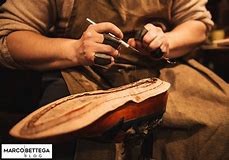
At that time, the shoes were tailor-made and entirely by hand, there were still no machines. Shoemaking was considered a profession, but also an art. To make a pair of shoes, the shoemaker first drew the model of the shoe he had in mind on a sheet of paper, of what he found, which could have been a sheet of newspaper or straw paper. Subsequently, the paper model was glued onto a light cardboard that allowed the shoemaker to cut the upper and linings well, which would then wrap around the shape. In those days the shapes were made of wood and the shoemaker, from time to time, modelled them according to the anatomical shape of the client's foot. To make the shoe well reinforced, the welt (leather band of about 4 centimetres) was applied between the upper and the sole, shaped around the edges of the shape. The welt (in sicilian language  'u vaddiuni), in order to be shaped, needed first to be let soaking in the water in a terracotta container (in  sicilian language  ‘u scifu) for about 5/6 days. Normally it took a week of hard work to complete a pair of shoes.
Shoemaking with modern machinery
Now everything has changed, shoes are built in factories through "assembly lines"; there are no longer the old cobblers, but there are still rich knowledge and traditions that we should transmit to young people, so that they will last in time.


By Salvatore  Cifalinò


ANTICHI CALZOLAI. QUANDO COSTRUIRE LE SCARPE ERA UN’ARTE

Un giovane calzolaio negli anni '50
Erano gli anni ’50  e ricordo ancora l’odore della pelle e del cuoio che mio padre adoperava per costruire  o riparare le scarpe.
A  quei tempi le scarpe venivano costruite su misura e interamente a mano, ancora non c’erano i macchinari.
Fare il calzolaio era considerato un mestiere, ma anche un’arte. Il calzolaio, per fare un paio di scarpe, prima  disegnava il modello della scarpa  che aveva in mente su un foglio di carta, di quella che trovava, che poteva essere il foglio di un giornale o di carta paglia.  Successivamente il modello di carta veniva incollato su un cartone leggero che permettesse  al calzolaio di tagliare bene la tomaia e le fodere che poi avrebbero avvolto la forma.
A quei tempi le forme erano di legno e il calzolaio, di volta in volta, le modellava in base alla forma anatomica del piede del cliente. Per rendere ben rafforzata la scarpa, tra la tomaia e la suola  veniva applicato il guardolo  (fascia di cuoio di circa 4 centimetri), sagomato intorno ai bordi della forma.
 Il guardolo (in lingua siciliana ‘u vaddiuni),
La cucitura del guardolo
perché si potesse plasmare , prima veniva messo in bagno nell’acqua in un contenitore di terracotta (chiamato ‘u scifu)  per circa 5/6 giorni. Per completare un paio di scarpe, normalmente, occorreva una settimana di duro lavoro. Ora tutto è cambiato, le scarpe vengono costruite nelle fabbriche attraverso “catene di montaggio”;  non ci sono più  i ciabattini  di un tempo, ma rimangono ricchezze  del sapere e di tradizioni che faremmo bene a trasmettere  ai giovani affinché non vengano perdute.

Salvatore Cifalinò


venerdì 24 aprile 2020

ICH SAH EINEN MANN

Ich sah einen müden Mann, weiß gekleidet, im strömenden Regen und eisigen Wind, voller Schmerz und Leid, aber auch voller Hoffnung, langsam auf den Altar zugehen.

Ich sah einen alten und humpelnden Mann, der die
Papst Franziskus
vielen Stufen hinunterging, mit all dem Schmerz der Welt auf seinen Schultern.

Ich sah einen Mann, der in seinem Schweigen und Gebet versammelt war und um Vergebung für alle Sünden bat.
Papst Franziskus der Menschen.

Ich habe gehört, wie der Mann sagte: "Niemand wird allein gerettet". Wir sind nicht allein, wenn wir an Gott und seine Rettung glauben.

di Salvatore Cifalinò
übersetzt von Monika M. Geuer

HO VISTO UN UOMO

HO VISTO UN UOMO
Ho visto un uomo stanco, vestito di bianco, tra la pioggia battente e con il
vento freddo, carico di dolore e di sofferenza, ma anche di speranza, salire
lento verso l’altare.
Papa Francesco

HO VISTO UN UOMO
anziano e zoppicante, percorrere le numerose scale con sulle sue spalle tutto il dolore del mondo.

HO VISTO UN UOMO
raccolto nel suo silenzio e nella sua preghiera, chiedere perdono di tutti i peccati degli uomini.

HO VISTO UN UOMO
dire: “nessuno si salva da solo” non siamo soli se crediamo in Dio e nella Sua salvezza.

Salvatore Cifalinò

martedì 31 marzo 2020

WOFÜR BRAUCHT MAN POESIE


Wenn wir in diesen schwierigen Zeiten, in denen wir gezwungen sind, uns mit der neuen Realität auseinanderzusetzen, die uns so viele Opfer abverlangt, über Poesie sprechen, ist Poesie nützlich, da sie uns beim Träumen helfen kann und uns nicht das Gefühl gibt, allein zu sein. Und welche größere Schönheit des poetischen Ausdrucks erlaubt es uns, die Gedanken und Gefühle eines jeden von uns zu verstehen?
Die Poesie ist für diejenigen gedacht, die die Musikalität der Worte, die Vielfalt der Ausdrücke, die Kombination von Reimbegriffen lieben, aber auch für diejenigen, die das Bedürfnis verspüren, ihre Gefühle einfach mitzuteilen.
In einem problematischen Moment wie diesem, den wir durchleben und der uns von den Regierungsbehörden aufgrund der Verbreitung des Corona Virus aufgezwungen wird, kann die Poesie eine geeignete "Medizin" sein, denn jeder von uns hat Zeit, seinen Wunsch, seine Angst, seinen Lebenswillen und seinen Traum auszudrücken.

Nach der Dunkelheit kommt das Licht, und es wird ein Weg sein, um Träume und Hoffnung eine kraftvolle Zukunft zu ermöglichen. Der Alptraum wird enden, und wir werden unser normales Leben zurückgewinnen, mit mehr Bewusstsein, vielleicht sogar besser als zuvor. Wir werden die persönlichen Räume zurückerhalten, die wir brauchen, wir werden mehr versöhnliche Gesten und Zärtlichkeit gegenüber anderen aufbringen, mit einer sicherlich breiteren Lebensperspektive.
                                                                                                                                          di Salvatore Cifalinò
                                                                                  übersetzt von Monika M. Geuer

WHAT POETRY IS FOR

Talking about poetry, in this difficult period in which we are forced to look at the new reality that imposes many sacrifices on us, is probably when poetry is more useful as it can help us dreaming and it doesn't make us feel alone. And what greater beauty than poetic expression allows us to understand the thoughts and feelings of each other?
Poetry is intended for those who love the musicality of words, the variety of expressions, the combination of rhyming terms, but also for those who feel the need to simply communicate their emotions.
In a problematic moment like this one that we are going through, imposed by government authorities due to the spread of the coronavirus, poetry can be an appropriate "medicine" as each one of us has

the time to be able to express our desire, our anxiety, our desire to live, and to dream.
After the dark the light appears and it will be a way of allowing dreams and hopes to have a vigorous future. The nightmare will end, and we will our regain normal life, with more awareness, perhaps we will be even better than before. We will get back the personal spaces we need, we will have more conciliatory gestures and tenderness towards others, with a certainly wider perspective of life.

                                                                  Salvatore Cifalinò

A CHE SERVE LA POESIA

Parlare di poesia, in questo periodo così difficile in cui siamo costretti a guardare la nuova realtà che ci impone tanti sacrifici, forse è quando la poesia serve maggiormente in quanto può aiutarci a sognare e a non farci sentire soli.  E quale maggiore bellezza dell'espressione poetica permette di comprendere i pensieri e sentimenti di ciascuno di noi?
La poesia è destinata a coloro che amano la musicalità delle parole, la varietà delle espressioni, la combinazione di termini in rima, ma anche a chi sente il bisogno di comunicare semplicemente le proprie emozioni. In un momento problematico come questo che stiamo attraversando, imposto dalle
autorità governative  a causa del diffondersi del coronavirus, la poesia può essere una “medicina” appropriata in quanto ciascuno di noi ha il tempo di potere esprimere il proprio desiderio, la propria ansia, la propria voglia di vivere, e di sognare.
Dopo il buio si affaccia la luce e sarà un modo di permettere ai sogni ed alle speranze di avere un futuro vigoroso.  L’incubo finirà, e ci riapproprieremo  della vita normale,  con più consapevolezza, forse saremo anche migliori di prima. Riavremo gli spazi personali di cui abbiamo bisogno, avremo  gesti più concilianti e di tenerezza verso gli altri, con una prospettiva di vita certamente più ampia.

                                                                                              Salvatore Cifalinò

sabato 21 marzo 2020

DIE DECANA BIRNE – NOVEMBERBIRNE


Lateinische Bezeichnung: Pyrus communis var.

Die Decana-Winter-Birne ist eine alte Rebsorte die ihren Ursprung in Belgien im Jahr 1820 und in Frankreich im Jahr 1845 hatte. Die Frucht ist groß und die Schale wird hellgrün bis gelblich; das Fleisch ist weiß, kompakt, körnig, saftig und süß. Die Pflanze ist kräftig, die Früchte reifen in der zweiten Oktoberhälfte; nach der Ernte sollten sie an einem kühlen Ort gelagert werden und können bis Januar-Februar verzehrt werden. Um ihre Geschmacksqualitäten zu erhalten, sollten Decana Birnen frisch gegessen werden.

Die Frucht ist aus ernährungsphysiologischer Sicht eine komplexe Harmonie von Nährstoffen; Sie ist reich an natürlichem und einfachem Zucker und ist ideal für Diäten. die Immunabwehr. Also dann, guten Appetit!  Aus diesem Grund wird die Birne für diejenigen empfohlen, die die Aufnahme von Kalorien begrenzen möchten, ohne auf den süßenGeschmack der Frucht zu verzichten. 
Übrigens ist die Decana Birne reich an Ballaststoffen und hilft, den Zuckerspiegel im Blut zu begrenzen, indem sie dem Verdauungssystem hilft. Ein weiterer sehr wichtiger Mineralstoff, der in der Decana Birne gefunden wurde und vor allem für diejenigen, die Sport treiben und Ihre Muskelkontraktion, ist Kalium, das in einer mittelgroßen Birne etwa 210 mg beträgt. Außerdem enthält die Decana Birne antioxidierendes Vitamin C, das den Zellstoffwechsel und die Geweberekonstruktion reguliert; Es verhindert Schäden durch freie Radikale, hält die Haut jung und glatt und erhöht die Immunabwehr.
Also dann, guten Appetit!
                                                                                         
                                                                                   von Salvatore Cifalinò
                                                                                   übersetzt von Monika M. Geuer 


LA PERA DECANA D’INVERNO (o comizio)


Denominazione Latina: Pyrus communis var. 

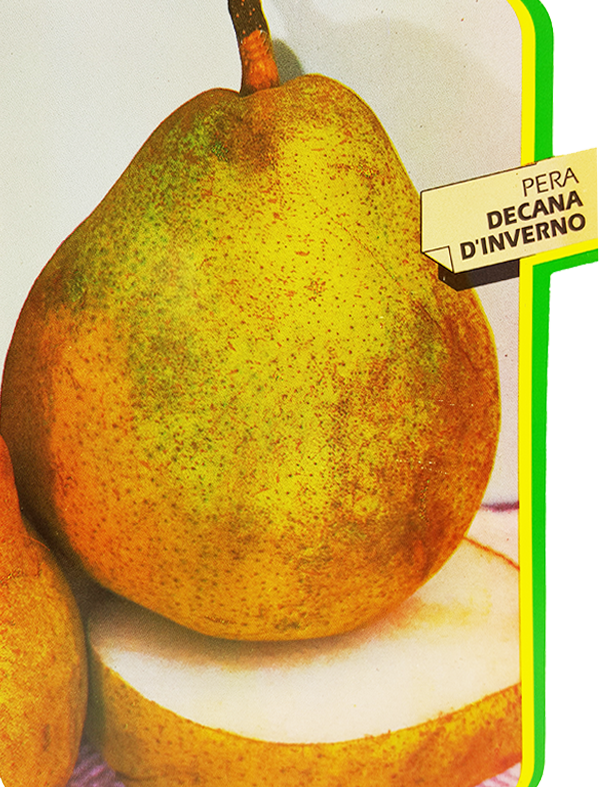
La pera decana d’inverno è una vecchia varietà che ha origini in Belgio nel 1820 e in Francia nel 1845. Il frutto è di grossa pezzatura e la buccia è verde chiara fino a diventare giallastra; la polpa è bianca, compatta, granulosa, succosa e dolce. La pianta è vigorosa, e i frutti maturano nella seconda decade di ottobre; dopo la raccolta, vanno conservate in ambienti freschi e si possono consumare fino a gennaio-febbraio. Per esaltarne le qualità gustative, le pere decane vanno consumate fresche.

9fp34-luoise-bonne-d_avranches.jpg (270×270)Questo frutto, da un punto di vista nutrizionale, è un armonico complesso di sostanze nutrienti; è ricco di zuccheri naturali e semplici ed è ideale per le diete. Per questo motivo la pera viene consigliata a chi desidera limitare l’apporto di calorie senza rinunciare al sapore dolce del frutto. Tra l’altro, la pera decana è ricca di fibra e contribuisce a limitare il livello di zucchero nel sangue aiutando l’apparato digerente. Altro elemento molto importante rinvenibile nella pera decana, soprattutto per coloro che praticano sport e desiderano facilitare la contrazione muscolare, è il potassio che in una pera di medie dimensioni è di circa 210 mg. Infine, la pera decana contiene la vitamina C, che è antiossidante e regola il metabolismo cellulare e la ricostruzione dei tessuti; previene i danni da radicali liberi, mantiene la pelle giovane e levigata, ed aumenta le difese immunitarie. E allora, buona degustazione.

                                                                                                      Salvatore Cifalinò

venerdì 17 gennaio 2020

Nica: Eine untrennbare Liebe

 Richard Gere mit dem Hund Hachiko
in dem gleichnamigen Film
Erinnern Sie sich noch an die wahre Geschichte von Hachiko, dem japanischen Akita Hund, die in dem Film mit dem amerikanischen Schauspieler Richard Gere erzählt wird? Hachiko wurde von dem Universitätsprofessor Hidesaburo Ueno in einer Kiste auf dem Bahnsteig des Bahnhofes Shibuya, einem Stadtteil von Tokyo gefunden, er beschloss den Hund bei sich zu behalten und sich um ihn zu kümmern. 
Etwa ein Jahr lang begleitete Hachiko sein Herrchen täglich zum Bahnhof und kehrte dann abends zurück, um zu warten, bis sein Herrchen aus dem Zug ausstieg. Eines Tages jedoch erlitt Professor Ueno an der Universität einen Schlaganfall und starb, er kehrte nicht mehr zum Bahnhof zurück.
       Die Statue von Hachiko am Bahnhof Shibuya
Hachiko ging ungefähr 10 Jahre lang jeden Abend zum Bahnhof, obwohl er einem anderen Herrchen anvertraut worden war. Er starb 1935 im Alter von 11 Jahren.
Heute steht an der Shibuya Station eine Bronzestatue zu seinen Ehren, die genau dort aufgestellt ist, wo der Hund auf sein Herrchen wartete. 

Eine ähnliche Geschichte ereignet sich in Pedara in der Provinz Catania im „Centro Cuore“ Morgagni, wo ein Hund namens „Nichitta“ (sizilianische Bezeichnung für „kleines Mädchen“) immer noch darauf wartet, das ihr älteres Herrchen das Pflegeheim verlässt, obwohl er bereits vor 15 Jahren an einer schweren Herzerkrankung gestorben ist. Nichitta wird von den Mitarbeitern des Centro Cuore betreut, insbesondere -so erzählt man uns- von Francesca Marino, Mitarbeiterin der Klinik.

Nichitta am Eingang der Klinik
Nichitta rührte uns, als sie mit ihren langsamen und müden Schritten und trägen Augen entgegenkam, als wollte sie uns nach Neuigkeiten von ihrem Herrchen fragen, den sie nicht mehr gesehen hat und immer noch vergeblich wartet.
Das Beispiel dieses melancholischen Hundes, jetzt im hohen Alter, sollten wir in unserem täglichen Leben behalten, und wir würden sicherlich besser leben.
                                                   
                von Salvatore Cifalinò
                übersetzt von M.M. Geuer

lunedì 13 gennaio 2020

NICA: AN INSEPARABLE LOVE

Richard Gere with the dog Hachiko, in the homonym film
Do you remember the true story of Hachiko, the Japanese Akita dog, told in the film starring the American actor Richard Gere? Hachiko was found in a box on the platform of the Shibuya railway station, district of Tokyo in Japan, by the university professor Hidesaburo Ueno, who decided to keep the dog with him and take care of him. Every day for about a year Hachiko accompanied his master to the station and then returned in the evening to wait to see him get off the train. One day, however, Professor Ueno had a stroke at the university and died, never returning to that station.
The statue of Hachiko in Shibuya station
Hachiko continued to go to the station every evening for about 10 years, despite having been re-entrusted to other masters. He died in 1935, at the age of 11. Today in Shibuya station there is a bronze statue in his honour, positioned exactly where the dog was waiting for his master.

A similar story occurs in Pedara, in the province of Catania, in the clinic "Centro Cuore" Morgagni, where a dog called "Nichitta" (Sicilian term that stands for "little one"), still waits for her elderly master to leave the nursing home, despite the fact that he died fifteen years ago due to a severe heart disease. Nichitta is looked after by the staff of the Centro Cuore, "in particular - they tell us - Mrs. Francesca Marino", employee of the health clinic.
Nichitta at the entrance to the clinic
Nichitta moved us when, with her slow and tired steps, she came to meet us with languid eyes, as if she wanted to ask us for news of her master who has not seen anymore and who still, in vain, waits.
The example of this melancholy dog, now in old age, we should keep it in our daily lives, and we would certainly live better with others.
                                                  Salvatore Cifalinò

sabato 4 gennaio 2020

NICA: UN AMORE INSEPARABILE


Riccard Gere con il cane Hachiko nell'omonimo film
Ricordate la storia vera di Hachiko, il cane giapponese di razza Akita, raccontata nel film con protagonista l’attore americano Richard Gere? Hachiko fu trovato in una scatola sulla banchina della stazione ferroviaria di Shibuya, quartiere di Tokyo in Giappone, dal professore universitario Hidesaburo Ueno, il quale decise di tenerlo con sé e accudirlo. Tutti i giorni per circa un anno Hachiko accompagnava il suo padrone alla stazione e poi tornava la sera ad aspettare di vederlo scendere dal treno. Un giorno, però, il professor Ueno ebbe un ictus all’università e morì, non facendo più ritorno a quella stazione. 
La statua di Hachiko nella stazione di Shibuya
Hachiko continuò a recarsi tutte le sere alla stazione per circa 10 anni, nonostante fosse stato riaffidato ad altri padroni. Morì nel 1935, all’età di 11 anni. Oggi nella stazione di Shibuya si trova una statua di bronzo in suo onore, posizionata esattamente dove il cane attendeva il suo padrone.

Una storia simile si verifica a Pedara, in provincia di Catania, nel “Centro Cuore” Morgagni, dove una  cagnetta chiamata “Nichitta” (termine siciliano che sta per 'piccolina'), attende ancora il suo anziano padrone che esca dalla casa di cura, nonostante egli sia deceduto quindici anni fa a causa di una grave patologia cardiaca.  A prendersi cura di Nichitta è il personale del Centro Cuore, “in particolare - ci dicono -  la signora Francesca Marino”, dipendente della  clinica sanitaria. 
Nichitta all'ingresso della clinica
Ci ha commosso Nichitta quando, con il suo passo lento e stanco, ci è venuta incontro con gli occhi languidi, come se volesse chiederci notizie del suo padrone che non ha visto più e che, invano, aspetta.

L’esempio di questa malinconica cagnolina, ormai in età avanzata, dovremmo tenerlo presente nella nostra vita quotidiana, e sicuramente vivremmo meglio con gli altri.

                                                                          Salvatore Cifalinò


mercoledì 23 ottobre 2019

WIR HABEN KEIN FETTES KIND GEBOREN

INTERVIEW MIT DR. ALBERTO FISCHER, PÄDIATRISCHER SPEZIALIST, ÜBER EIN AKTUELLES THEMA

von Salvatore Cifalinò
übersetzt von M.M. Geuer

Dr. Alberto Fischer
Einer der Aspekte, die die heutige Gesellschaft auszeichnen, ist die wachsende Zahl übergewichtiger Kinder, die auf eine ungesunde Ernährung und einen sitzenden Lebensstil zurückzuführen sind.
Aktuelle Daten des "Istituto superiore di Sanità" (Oberstes Institut für Gesundheit) zeigen, dass 1 von 3 Kindern übergewichtig ist.
Herr Dr. Fischer, wie werden die Ursachen für Adipositas bei Kindern identifiziert?
"Sowohl bei Erwachsenen als auch bei Kindern kann es bei Adipositas zu vielen verwandten Krankheiten kommen, die bereits in der Kindheit auftreten können, wie Herz-Kreislauf Erkrankungen, Bewegungsapparat, Stoffwechsel, psychologische Störungen (Misstrauen, Verhaltensstörungen, bipolare Störungen).  Ein Kind, das bereits unter einem Jahr fettleibig ist, hat als Erwachsener ein höheres Risiko der Fettleibigkeit. Dies liegt daran, dass die Fettzellen zu diesem Zeitpunkt nicht nur hypertrophisch sind (mit der Möglichkeit, wieder normal zu werden), sondern auch die Zunahme der Anzahl (Hyperplasie) ohne die Möglichkeit, in Zukunft wieder zu schrumpfen". 
Was sind die bekanntesten Ursachen für Fettleibigkeit?
"Sie sind in erster Linie vererbt, in diesem Fall ist das Risiko größer, wenn beide Elternteile oder eines von ihnen übergewichtig ist. Darüber hinaus gibt es schlechte Lebensgewohnheiten, wie eine fettreiche Ernährung, eine sitzende Lebensweise, mit wachsender Anzahl bei Kindern, die Videospiele der körperlichen Aktivität vorziehen. Ich möchte hinzufügen, das dies insbesondere auch auf die Medien und Werbung zurückzuführen ist. Selten sind es bei Kindern genetische, hormonelle oder pharmakologische Ursachen".
Was sind die Strategien zur Prävention von Fettleibigkeit bei Kindern?
"Es muss eine partizipative Allianz zwischen Kinderärzten, Familie, Schule und Institutionen durch die Umsetzung von Programmen zur kapillaren Gesundheitserziehung geben. Wir denken darüber nach, Snackautomaten in Schulen zu eliminieren und bei den Mahlzeiten immer Obst und Gemüse mit einzubeziehen. Außerdem sollte täglich mindestens eine Stunde ausreichende motorische Aktivität angeboten werden. Es wird außerdem empfohlen, dass Eltern die Zeit, die Kinder mit Fernsehen, Computern und Mobiltelefonen verbringen, drastisch begrenzt wird, um die Kinder zu Aktivitäten zu ermutigen, die mit Bewegung verbunden sind".

sabato 12 ottobre 2019

"WE DON'T BORN OBESE"

INTERVIEW WITH DR. ALBERTO FISCHER, A PEDIATRIC SPECIALIST, ON A CURRENT TOPIC 

Dr. Alberto Fischer
One of the aspects that characterise today's society is the growing number of overweight children, due to a disorderly diet and a sedentary lifestyle.
Current data provided by the "Istituto superiore di Sanità" (Higher Institute of Health) indicate that 1 every 3 children is overweight.
Dr. Fischer, how are the causes of obesity identified in children?
"To obesity, both in the adult and in the child, there are many related diseases that may already occur
in childhood, such as cardiovascular, musculoskeletal, metabolic, psychological (distrust, behavioural abnormalities, bipolar disorders). The child who is obese under the age of one year, has a higher risk of obesity when he is an adult, and this is because at this stage the fat cells are not only hypertrophic (with the possibility of returning to normal), but they increase in number (hyperplasia) with no possibility of shrinking in the future”.
What are the most recognised causes of obesity?
"They are, first and foremost, familiarity and in this case the risk is greater when both parents or one of them are obese. Furthermore, there are bad life habits such as a diet rich in fat, a sedentary lifestyle, with a growing number of children who prefer video-games to physical activity and, I would add, the media through inadequate forms of advertising. Rare in children are genetic, hormonal or pharmacological causes".
What are the strategies to prevent obesity in the child?
"There must be a participated alliance between pediatricians, family, school and institutions through implementation of capillary health education programs. We are thinking about the elimination of snack vending machines in schools and about including in distributed meals the constant presence of fruit, vegetables, and other appropriate food. Furthermore, at least one hour of adequate motor activity should be entered daily. It is also recommended that parents drastically limit the time children spend watching television, computers and cell phones, encouraging those activities that involve movement".
                                                                                                 Salvatore Cifalinò

venerdì 11 ottobre 2019

“OBESI NON SI NASCE”


INTERVISTA AL DR. ALBERTO FISCHER, SPECIALISTA PEDIATRA, SU UN TEMA DI ATTUALITÀ


Dr. Alberto Fischer
Uno degli aspetti che caratterizzano la società odierna è il crescente numero di bambini in sovrappeso, dovuto ad una sregolata alimentazione e ad uno stile di vita sedentario.
I dati attuali forniti dall’Istituto superiore di sanità indicano che 1 bambino su 3 risulta essere in sovrappeso.  Dr. Fischer, come si individuano le cause di obesità nel bambino?
“All’obesità, sia nell’adulto che nel bambino, sono correlate numerose patologie che possono già verificarsi
nell’infanzia, come quelle cardiovascolari, muscolo-scheletriche, metaboliche, psicologiche (disistima, anomalie comportamentali, disturbi bipolari). Il bambino che è obeso in età inferiore ad un anno, ha un più elevato rischio di obesità quando sarà adulto, e ciò perché in questa fase le cellule adipose non sono solo ipertrofiche(con la possibilità di ritornare normali),ma aumentano di numero (iperplasia) con nessuna possibilità di ridursi nel futuro”.
Quali sono le cause di obesità più riconosciute? 
“Esse sono, in primo luogo, la familiarità ed in questo caso il rischio è maggiore quando entrambi i genitori o uno di essi sono obesi. Inoltre, vi sono le cattive abitudini di vita come una alimentazione ricca di grassi, la sedentarietà, con un crescente numero di bambini che preferisce i videogames all’attività fisica e, aggiungerei, i media attraverso forme di pubblicità inadeguate. Rare nel bambino sono le cause genetiche, ormonali o farmacologiche".
Quali sono le strategie per prevenire l’obesità nel bambino?
“Bisogna che ci sia una alleanza partecipata tra pediatri, famiglia, scuola e istituzioni attraverso l’attuazione
di programmi capillari di educazione sanitaria. Si sta pensando all’eliminazione dei distributori di merendine nelle scuole e che nei pasti distribuiti ci sia la presenza costante di frutta, verdure, ed altri alimenti appropriati. Bisognerebbe, inoltre, inserire giornalmente almeno un’ora di attività motoria adeguata. Va anche raccomandato ai genitori di limitare drasticamente il tempo che i  bambini passano davanti alla televisione, al computer e al cellulare, incoraggiando quelle attività che implicano movimento”.

                                                                                          Salvatore Cifalinò


giovedì 3 ottobre 2019

THE HOUSE OF CULT OF FRA' GABRIELE MARIA ALLEGRA OPENED IN SAN GIOVANNI LA PUNTA


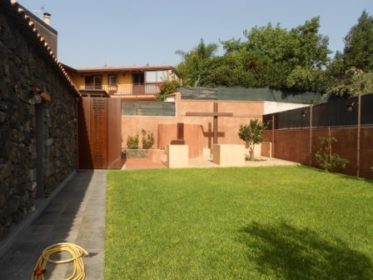
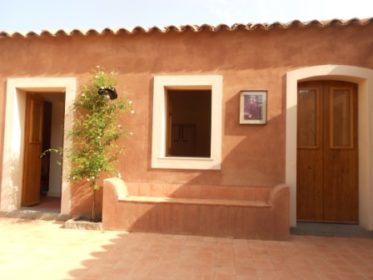
"Live in the joy that is half holiness", said Fra' Gabriele Allegra; so it was on the seventh anniversary of his proclamation as blessed and, in the Franciscan way of life, the Feast of Joy was held for the inauguration of his restored birthplace that will become a place of worship, in which Gabriele was born on the 26th December 1907.
Many people throughout the day followed the event and there were also civil authorities who promised support for the non-profit association "Gabriele tra le genti" which includes some relatives of the blessed. The mayor Antonino Bellia said: "We all have the obligation to guard this house of prayer so that it becomes a spiritual reference point for those who desire to deepen and experience the value of those feelings that in his youth made clear in Gabriele's soul the will to spend his life serving others".
Fra' Matthias Choi
Fra 'Matthias Choi, a Franciscan friar from Hong Kong, who accompanied the large group of Chinese brothers and devotees, told us he felt "very fortunate to be here in the house of the blessed and to be able to spend this day together with many brothers and with the family of the blessed; a very important occasion and a long journey that we have faced with a heart full of joy; I hope to return again to this  blessed house with Chinese pilgrims”.

Salvatore Cifalinò

INAUGURATA A SAN GIOVANNI LA PUNTA LA CASA DI CULTO DI FRA’ GABRIELE MARIA ALLEGRA


“Vivi nella gioia che è mezza santità”,  diceva fra’  Gabriele Allegra; così è stato nel settimo anniversario della sua proclamazione  a beato e, nello stile di vita francescano, si è svolta la Festa della gioia per l’inaugurazione  della casa natale restaurata che diventerà luogo di culto, nella quale  Gabriele  nacque il 26 dicembre del 1907.
Tantissima gente per tutta la giornata ha seguito l’evento e non sono mancate le autorità civili che hanno promesso sostegno alla associazione onlus “Gabriele tra le genti” della quale fanno parte alcuni familiari del beato. Il sindaco Antonino Bellia: “ Tutti noi abbiamo l’obbligo di custodire questa casa di preghiera  affinché diventi punto di riferimento spirituale per quanti abbiano il desiderio di approfondire e sperimentare il valore di quei sentimenti che già negli anni della giovinezza hanno fatto maturare nell’animo di Gabriele il desiderio di spendere la propria vita al servizio degli altri”.   
Fra' Matthias Choi
Fra’  Matthias Choi, frate francescano di Hong Kong, che ha accompagnato il folto gruppo di fratelli e devoti cinesi, ci ha detto di sentirsi “molto fortunato di essere  qui nella casa del beato e di potere trascorre  questa giornata di festa assieme a tanti fratelli e con la famiglia del beato;  un’occasione molto importante e un lungo viaggio che abbiamo  affrontato con il cuore  colmo di gioia; spero di ritornare ancora  in  questa casa benedetta con i pellegrini cinesi”.

 Salvatore Cifalinò

domenica 29 settembre 2019

SEVENTH ANNIVERSARY OF BEATIFICATION OF FRA’ ALLEGRA

by Salvatore Cifalinò

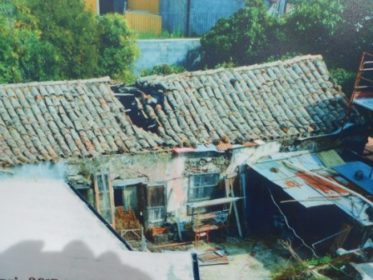
On the seventh anniversary of the beatification of Fra’ Gabriele Allegra, which took place on the 29th September 2012 in Acireale, on Sunday 29th September the house where Gabriele Allegra was born on the 26th December 1907, will be inaugurated at number 16 of Via Soldato Salvatore Torrisi, in San Giovanni la Punta. The old house, thanks mainly to the donations of the Chinese brothers from Hong Kong, has been restored and will become a place of worship.
"The design choices of restoration - writes the engineer Fabio Domenico Lombardo - they started from the memory of the place. The birthplace of Blessed Gabriel is a space in which the intimacy and warmth of human and family events that have inhabited and lived are clearly perceptible. The idea of ​​restoration begins precisely from these traces and from the premise of preserving and restoring the original consistency of the space, restoring it free from the signs of neglect and ready for a new growth perspective.

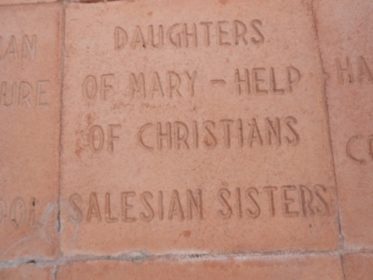
"To shore up the costs of restoration – ‘the association Gabriele fra le genti Onuls’, which includes the relatives of the blessed, - a fundraising has also been launched entitled ‘a tile for the blessed’“.
The program of the 29th September is entitled "Festa della Gioia" and includes: at 9.30 am arrival and welcome in the town hall of San Giovanni la Punta; 10 am opening of the "festival of joy" with animation and moments of shared listening by the Franciscan friars; 11.30 Holy Mass in the churchyard of the Mother Church of St. John the Baptist; 13 hours packed lunch; 15.30 gathering of the participants in the Maddonna della Ravanusa sanctuary and moments of prayer; 16.30 procession with the relic of the blessed, from the Ravanusa to the birthplace of the blessed; 16.45 arrival at the birthplace and inauguration and blessing of the premises where Gabriele Allegra was born; 17.30 moments of prayer.
 Briefly, we publish the figure of Fra’ Gabriele Allegra again. Although he was born on December 
The house before the rebuilding
26th, 1907, he was registered on January 2nd, 1908. His parents were poor, but profoundly religious. The father was a farmer, the mother was a housewife. Gabriele, at the end of the elementary school, entered the seraphic college of San Biagio di Acireale. Then he carried out the novitiate in the San Vito convent in Bronte, where he intensified devotion, meditation and love for St. Francis. He took his simple vows in October 1924, the year in which he returned to Acireale to complete his humanistic and philosophical studies. In Rome, in the International College of Sant’Antonio, he continues his formation in the Franciscan lifestyle. In 1930 he was ordained a priest and in 1931 Father Gabriele embarked for China, to the Hengyang Minor Seminary, in which he consolidated his dream of translating the Bible into Chinese.
Una mattonella per il beato
Spiritual father of small seminarians, he was then appointed rector of the seminary. Living in the lifestyle of the Chinese people allows him to deepen the culture and history of those people and to understand the Chinese language more quickly. In April 1935 he completed the translation of the Holy Scriptures in Chinese and later founded a Franciscan Bible Study in Beijing, inaugurated in 1945. In 1948 he transferred the Bible Study to Hong Kong, and in 1955 he was awarded with the Honoris Causa degree in Sacred Theology, as a recognition of its biblical culture and immense translation work. There have been many journeys that Father Allegra made in particular between China, Italy and Sicily. When asked if he felt more Italian or Chinese he, smiling, in his dialect answered: "sugnu sicilianu, italianu e cinisi” (I am Sicilian, Italian and Chinese).
In the last months of his life, although his health was put to the test, he loved to return to the lepers and polio children. Father Gabriele died in Hong Kong on the 26th January 1976 and in 1986 his body was transferred to a chapel in the church of San Biagio di Acireale.